
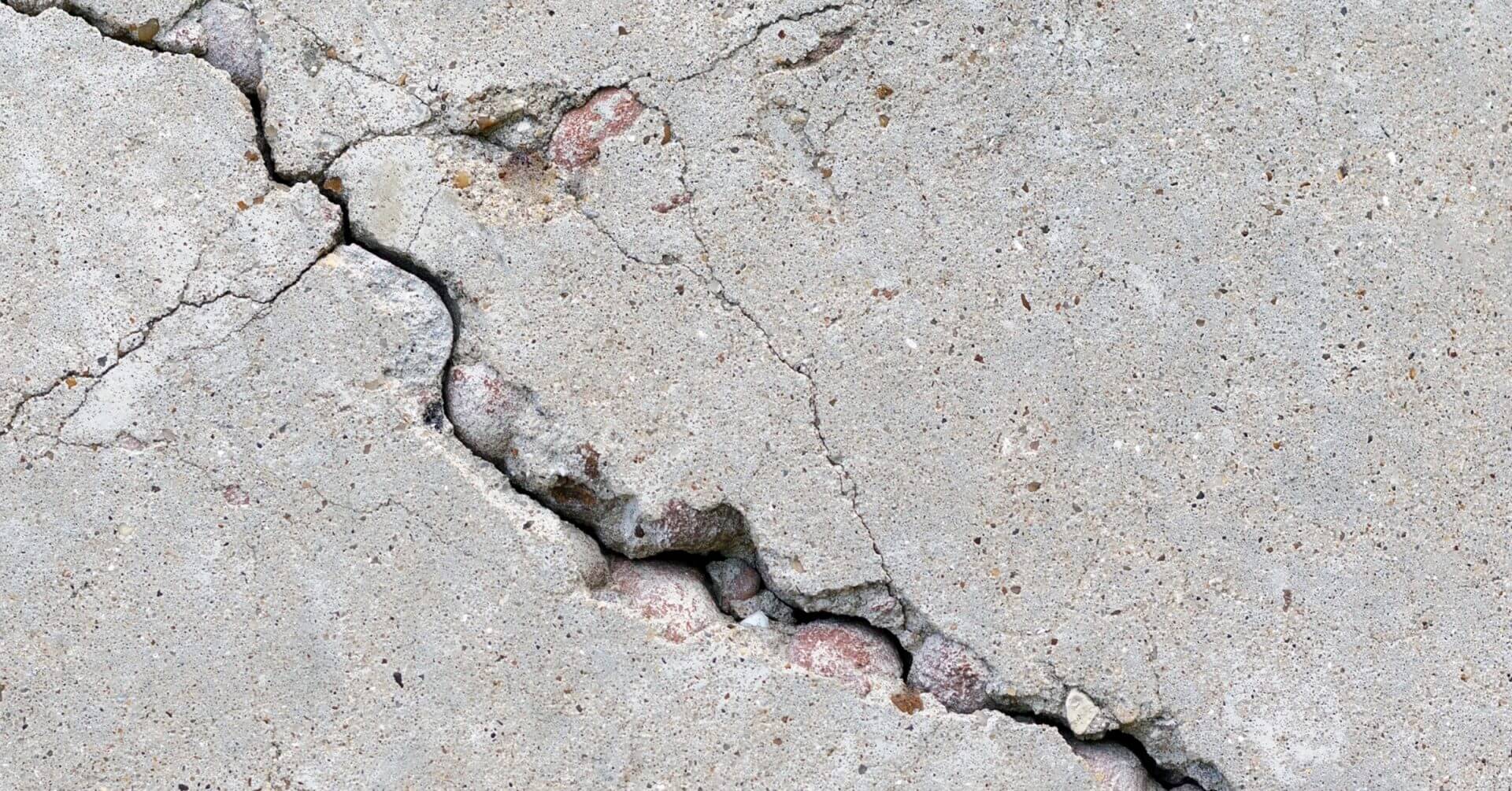
When the ground starts to shake, every second counts. In a city like Iligan, where rivers, hills, and coastal zones meet, being earthquake-ready isn’t just smart — it’s survival. Knowing what to do before, during, and after a quake can mean the difference between chaos and calm. This quick guide will help every Iliganon stay safe, informed, and ready to protect family, friends, and neighbors when disaster strikes.
BEFORE AN EARTHQUAKE: Be Prepared
- Know your home or workplace safety points.
– Identify strong tables, door frames, or corners for cover.
– Avoid areas near glass windows or heavy shelves. - Prepare an emergency kit.
Include water, flashlight, batteries, first aid kit, face masks, medicines, and important documents in a waterproof bag. - Secure heavy objects.
– Anchor cabinets, appliances, and hanging fixtures.
– Store breakables and chemicals on low shelves. - Plan your family evacuation.
– Identify safe open spaces near your home (like barangay halls, school grounds, or plazas).
– In Iligan, Tambo Terminal, Anahaw Amphitheater, MSU-IIT grounds, and Rizal Park are examples of wide open areas where people gather safely.
⚠️ DURING AN EARTHQUAKE: Stay Calm and Protect Yourself
- If indoors:
– Duck, Cover, and Hold. Get under a sturdy desk or table and hold on until shaking stops.
– Stay away from windows, mirrors, or anything that can fall.
– Don’t run outside while the ground is shaking. - If outdoors:
– Move to an open area away from buildings, trees, and power lines.
– In Iligan, avoid staying near old structures downtown or along coastal areas in case of landslides or tsunami alerts. - If driving:
– Stop the car safely, stay inside, and avoid bridges or tunnels.
– Turn on hazard lights and listen for official advisories.
AFTER AN EARTHQUAKE: Stay Alert and Help Others
- Check yourself and others for injuries.
– Apply first aid and assist those in need, especially children and elderly neighbors. - Inspect your surroundings.
– Watch out for gas leaks, fires, and damaged electrical lines.
– Avoid using matches or electrical switches if you smell gas. - Prepare for aftershocks.
– Stay in safe open areas until authorities declare it safe to return. - Listen for official announcements.
– Follow updates from PHIVOLCS, DOST, and LGU Iligan (CDRRMO) through local radio or Facebook pages.
– If you’re near the coastal barangays (Hinaplanon, Santiago, Tubod, Tambacan, etc.), watch for tsunami alerts and move to higher ground. - Avoid spreading rumors online.
– Share only verified information from official Iligan City or PHIVOLCS sources.
Quick Tips for Iliganons
- Familiarize yourself with Barangay Disaster Risk Reduction Offices (BDRRMOs).
- Know the nearest evacuation centers, especially if you live near rivers or hillsides prone to landslides.
- Save emergency numbers:
- Iligan CDRRMO: (063) 223-6800
- BFP Iligan: (063) 221-7942
- PNP Iligan: (063) 221-4201
- Iligan City Hospital: (063) 223-3321
Earthquakes can strike without warning — but preparedness turns fear into confidence. Every Iliganon has a role to play in keeping our city safe. By staying calm, following safety steps, and helping one another, we can minimize damage and save lives.
Remember: Disaster safety starts at home. Know your evacuation routes, keep an emergency kit ready, and stay tuned to official updates from LGU Iligan, CDRRMO, and PHIVOLCS. Let’s work together to build a city that’s not just beautiful, but resilient and ready — always Luwas, Iligan!